
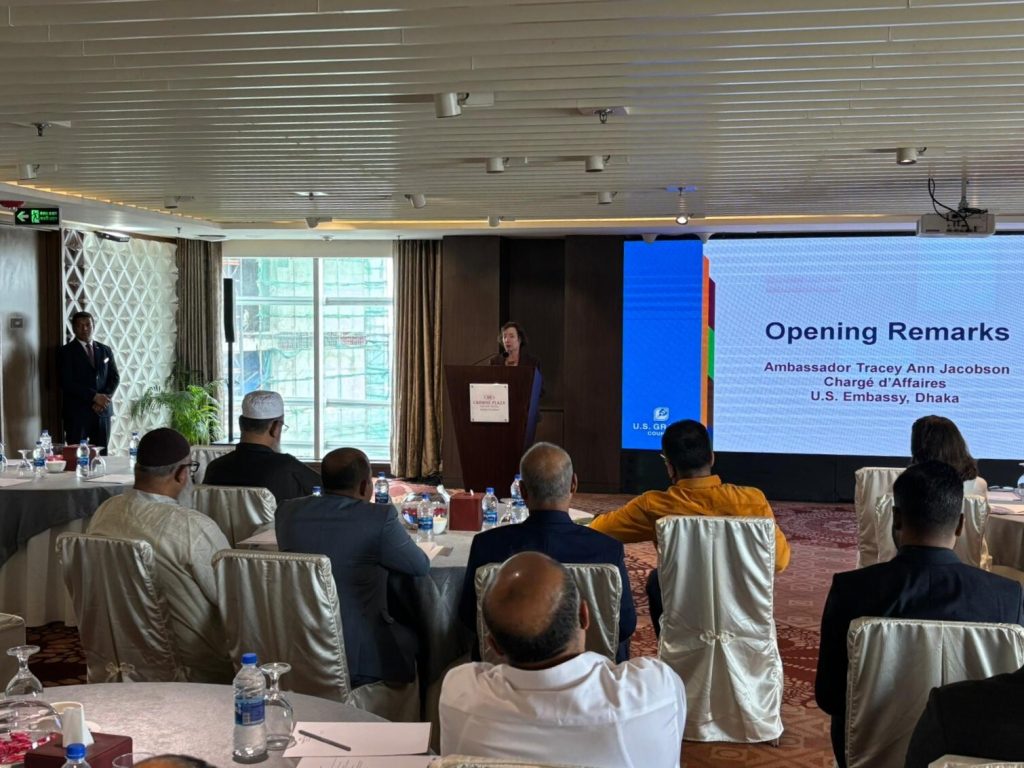
The U.S. Grains & BioProducts Council (USGBC) recently held a series of meetings and organized a marketing conference in Bangladesh to highlight the value of U.S. origin feed grains to industry stakeholders and end-users.
As a part of this visit, the Council met with poultry industry representatives to present data on the quality and availability of the 2024/25 U.S. corn crop, while also promoting the U.S. as the world’s best logistical option for coarse grain purchases.
“Bangladesh is one of the most important markets in South Asia, as they are customers of U.S. distiller’s dried grains with solubles (DDGS) while also being the only market in the region that does not have restrictions on genetically-modified corn imports,” said Alexander Grabois, USGBC manager of global strategies and trade.
“Moreover, Bangladesh has a sizeable annual coarse grain demand of 1.4 million metric tons, and its traditional suppliers are not able to meet the needs of the market.”
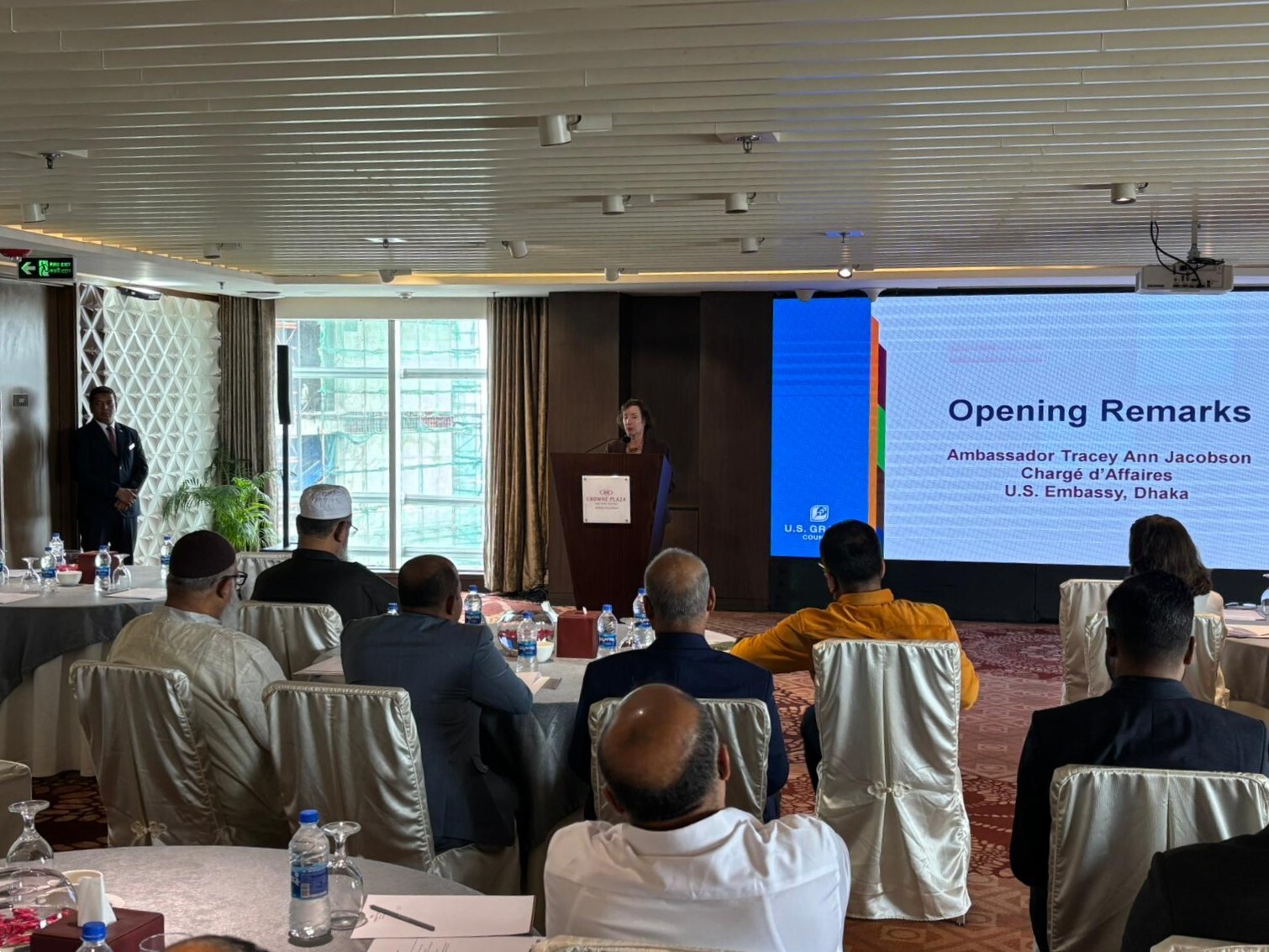
These one-on-one meetings were followed by the Council hosting its 2025 Bangladesh Corn Marketing Conference that drew 31 attendees from the Bangladeshi feed industry.
Topics included a detailed overview of the Bangladeshi feed market, a review of the superior performance of U.S. corn in poultry diets, a rollout of the 2024/25 Corn Export Cargo Quality Report and a review of tropical grain storage practices. The conference included remarks from Chargé d’Affaires of the U.S. Embassy to Bangladesh Ambassador Tracey Ann Jacobson, who gave important insight on the bilateral relationship between the two countries and a budding coarse grain trade.
By highlighting the quality of this year’s corn crop, coupled with the economic advantages of using U.S. corn in animal feed rations, the Council aims to help kick start corn sales to the South Asian nation. Bangladesh has not purchased bulk quantities of U.S. corn since 2017, when it purchased just under 55,000 metric tons (2,165,240 bushels).
Traditionally, Bangladesh has been able to satiate its animals using corn from India; however, India’s recent implementation of a domestic ethanol blending program has led to diminishing exportable supplies and has pushed Bangladesh to search the broader global market for its needs.
“For the Council, continuing to engage our Bangladeshi customers is paramount to ensuring they are able to grow their feed operations while using a feedstock that is high performing and currently the most economical option,” said Kurt Shultz, USGBC senior director of global strategies.
“They are very important DDGS customers, who prefer U.S. origin over others in the market, which makes it even more essential that U.S. corn becomes a preferred option as well. We look forward to them soon becoming regular buyers of U.S. coarse grains.”
Learn more about the Council’s work in Bangladesh here.