
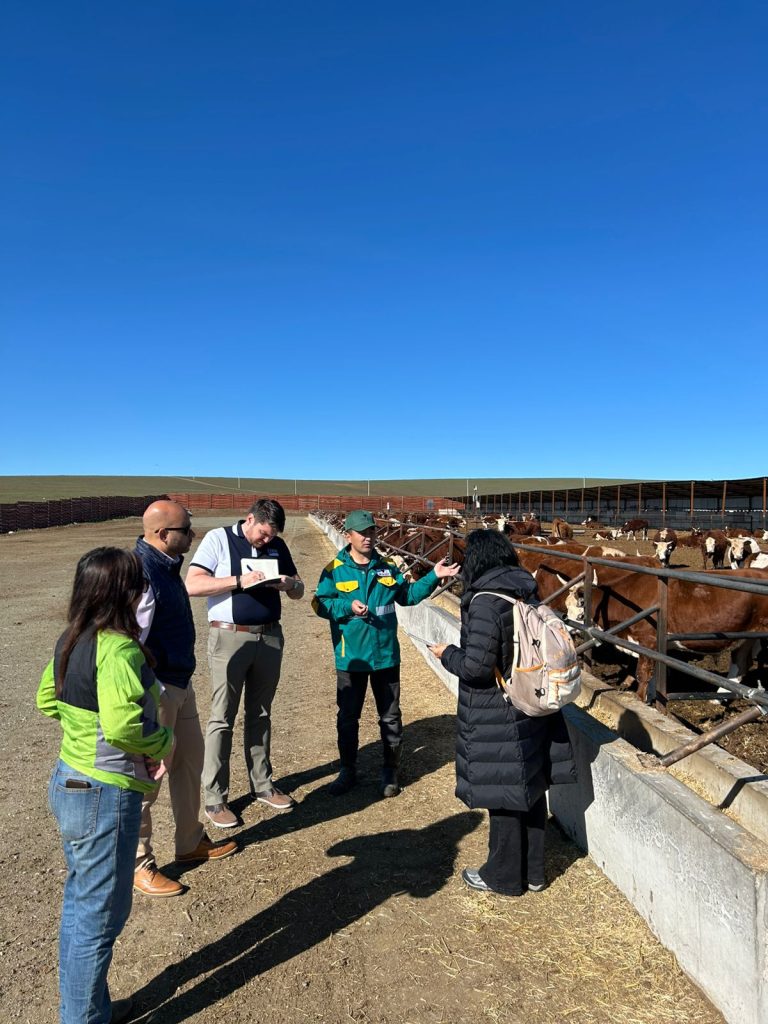
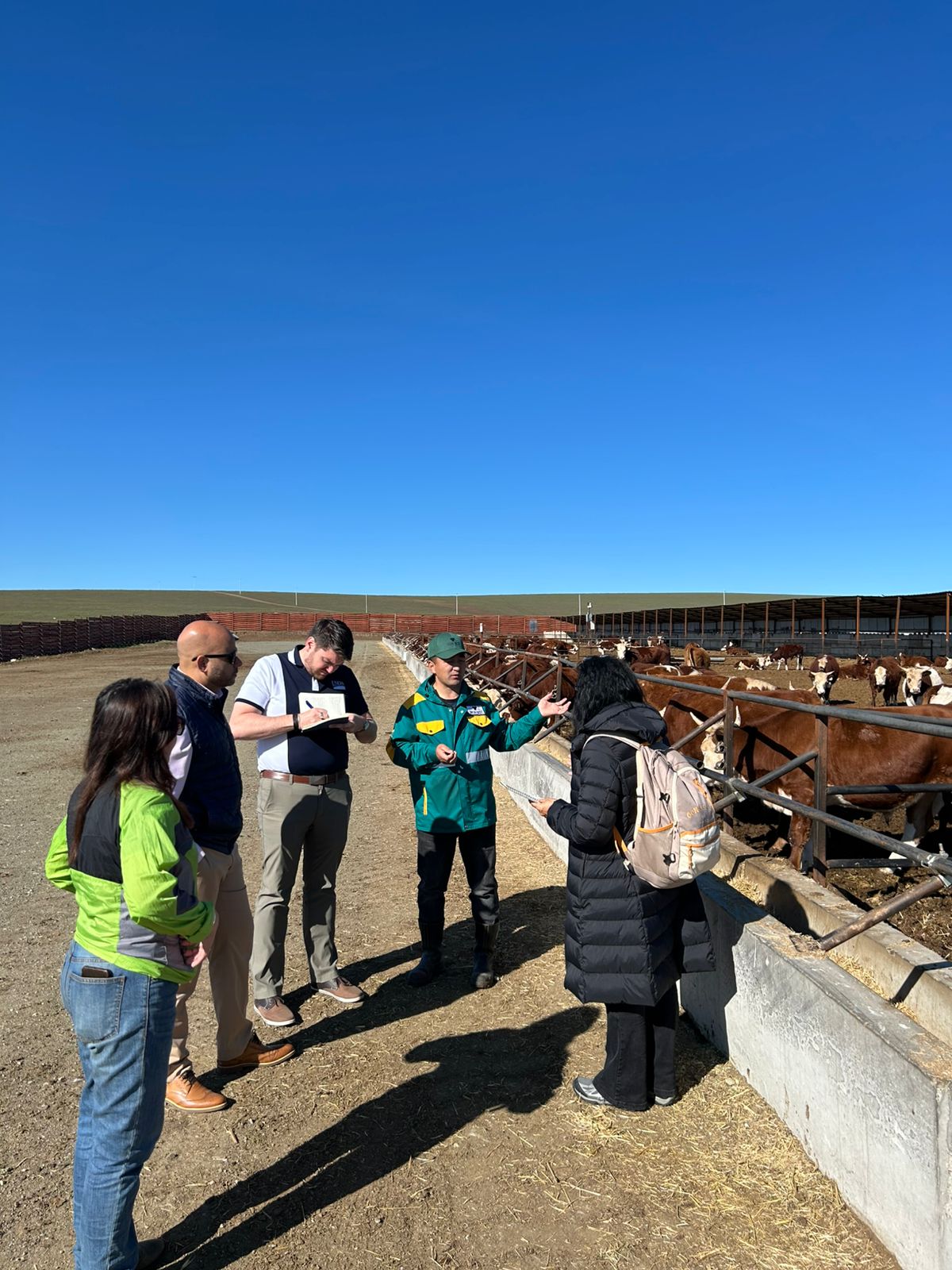
Earlier this month, U.S. Grains & BioProducts Council (USGBC) Director in China Manuel Sanchez traveled to Mongolia to evaluate opportunities for the export of U.S. distiller’s dried grains with solubles (DDGS) and sorghum.
“Mongolia’s agricultural sector is gaining increasing visibility in international trade discussions as the country seeks to diversify its economy and enhance its food security,” Sanchez said.
“Trade missions have emerged as a key instrument in connecting Mongolian producers with foreign partners, while also offering international companies opportunities to explore a largely untapped market. These missions typically blend business matchmaking with knowledge exchange, aiming to create mutually beneficial partnerships in the agrifood industry.”
Staff from the U.S. Department of Agriculture’s Foreign Agricultural Service (USDA’s FAS) office in Beijing and the U.S. Embassy in Mongolia helped organize the program.
Sanchez first met representatives from the Mongolian Ministry of Food, Agriculture and Industry and a leading beef producer for an overview of feed grain demand and end-user strategies. The American Chamber of Commerce in Mongolia then welcomed the Council’s delegation to discuss how it provides an entry point into Mongolia’s expanding market for U.S. producers.
Next, a tour of the Plant Protection Agency and a roundtable meeting with local farmers offered insights into the administrative procedures and safety protocols in the Mongolian agriculture sector.
Other visits included a feed production facility, a feedlot and a major egg producer to study the journey of feed in Mongolia from start to finish and identify opportunities to improve operational efficiency with U.S. feed grains.
“Mongolia’s landlocked geography creates logistical hurdles, increasing transportation costs and complicating access to global markets while harsh climate conditions restrict crop cultivation, requiring controlled-environment agriculture,” Sanchez said.
“Overcoming these issues and other administrative barriers will require targeted support from the Council and its partners to ultimately foster economic diversification, modernize Mongolia’s livestock sector and enhance its role in regional and global value chains.”
Learn more about the Council’s work in Asia here.