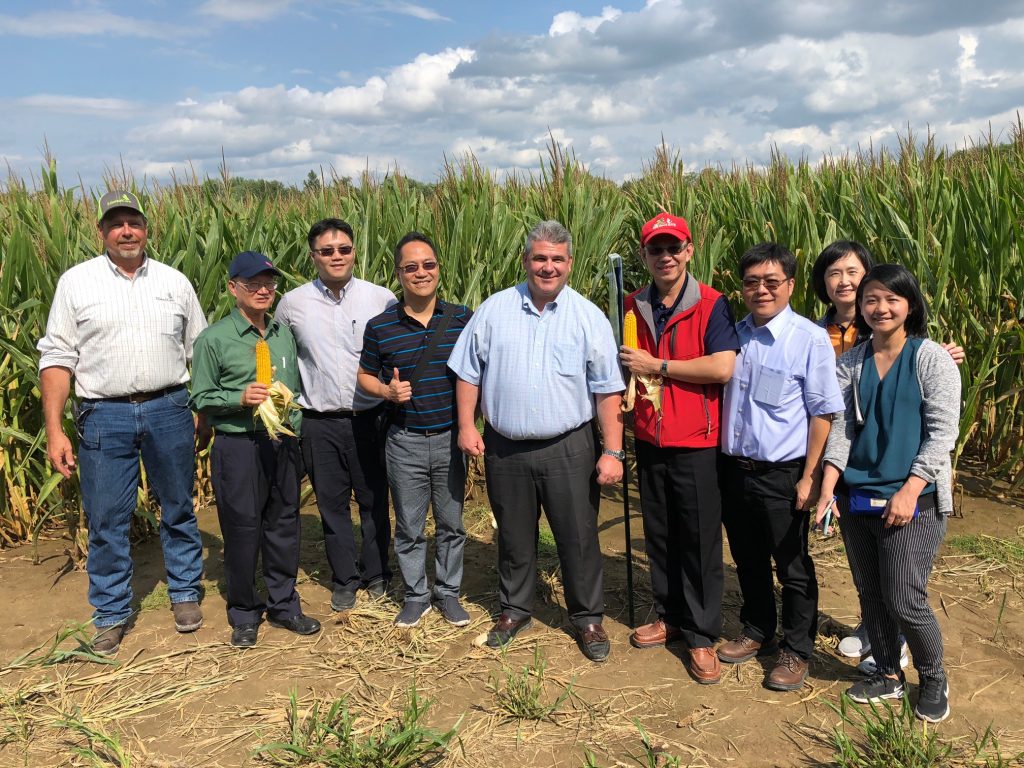
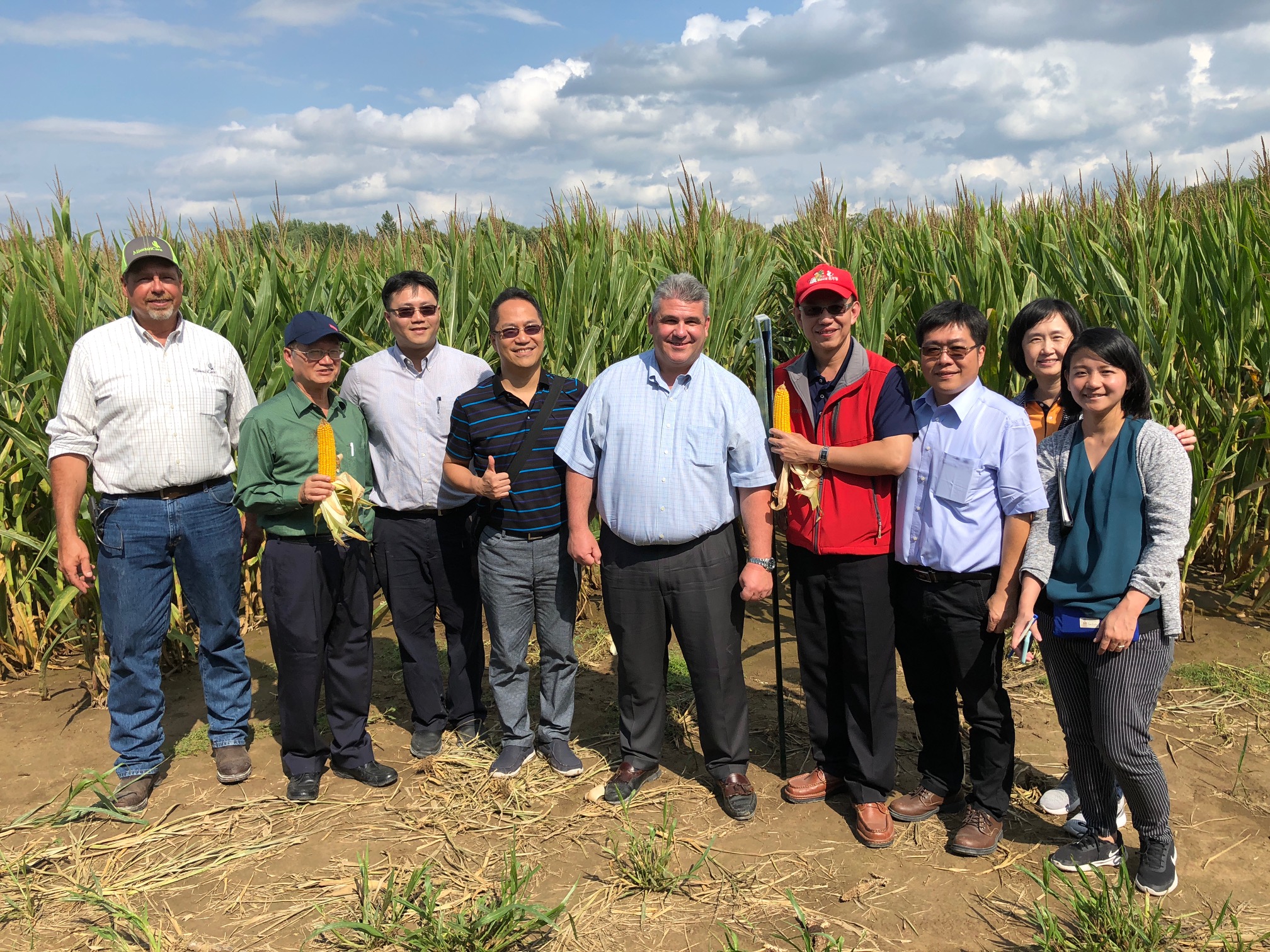
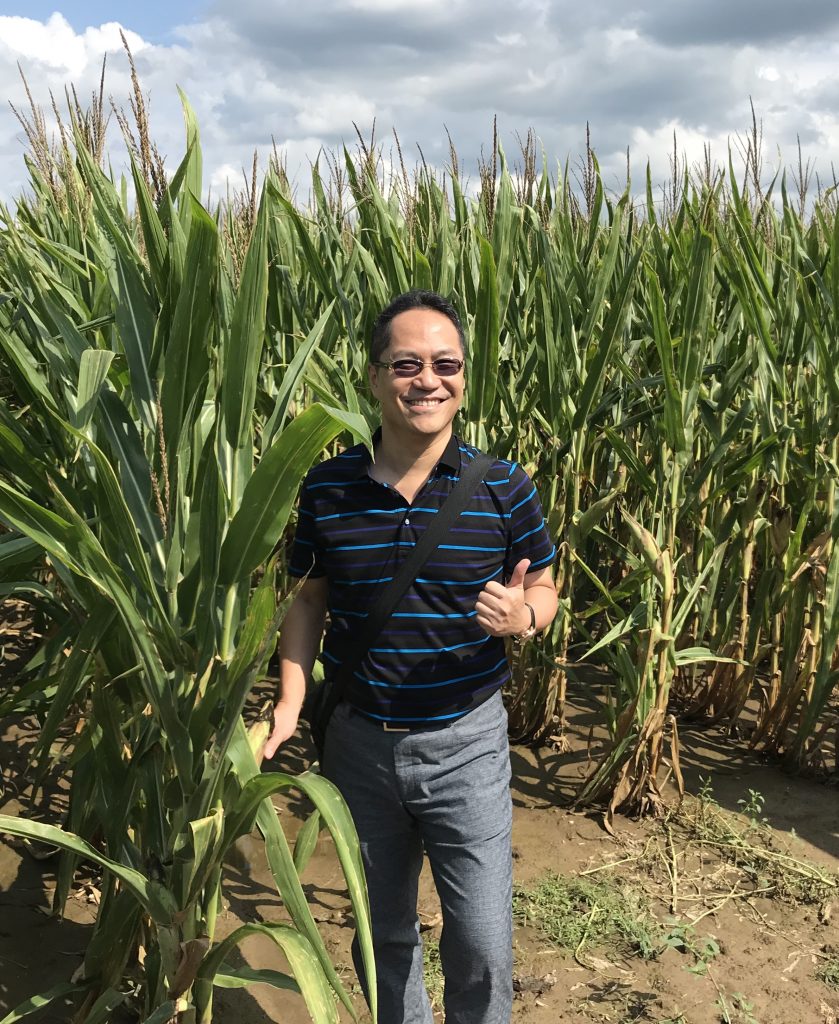
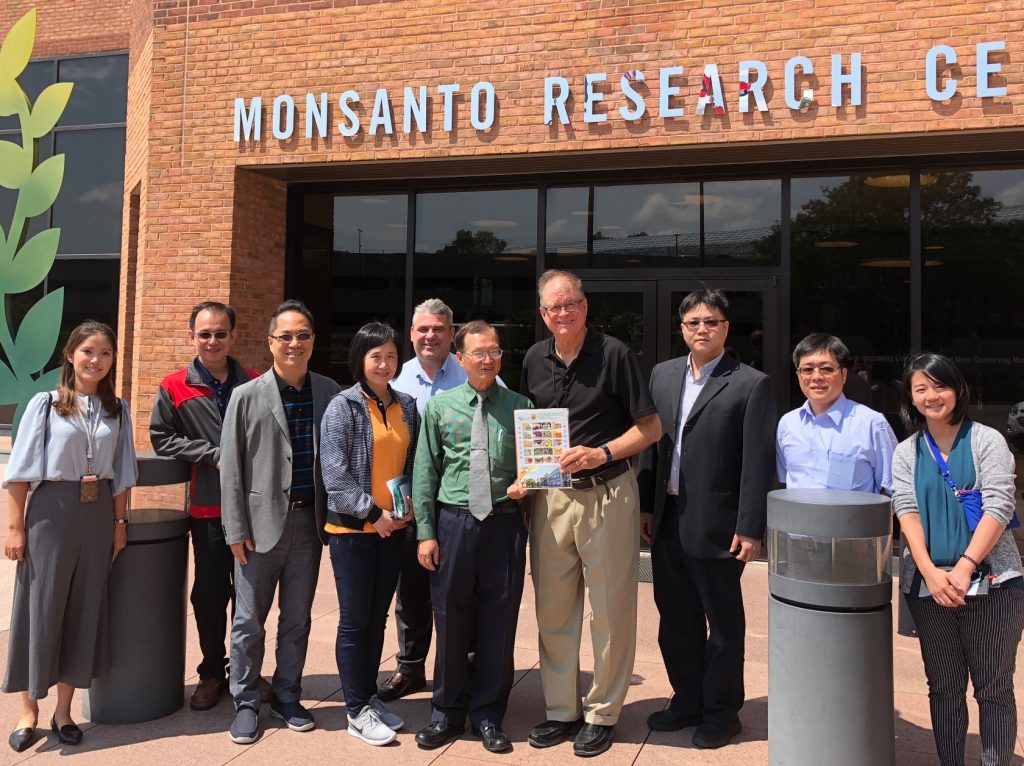
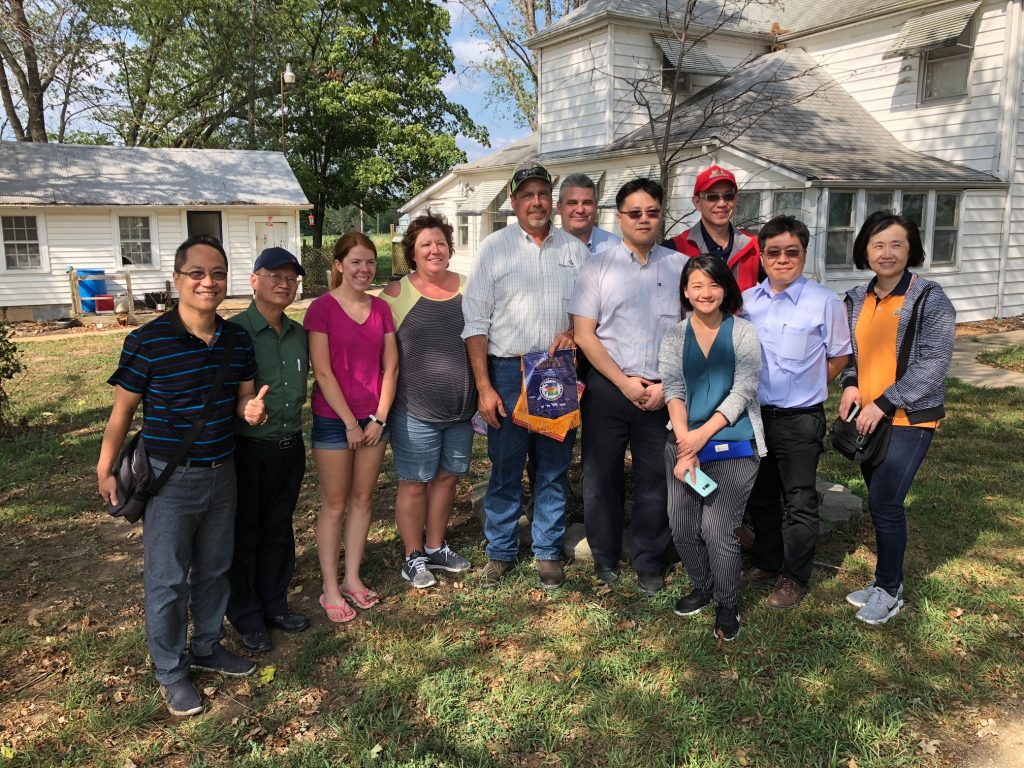
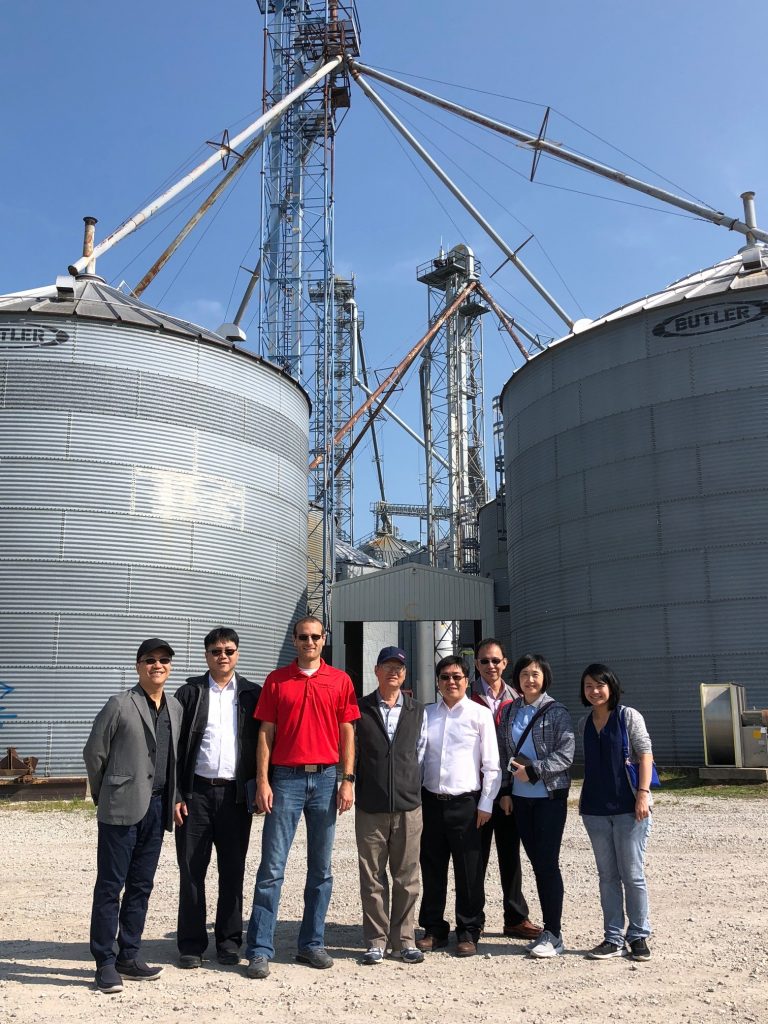
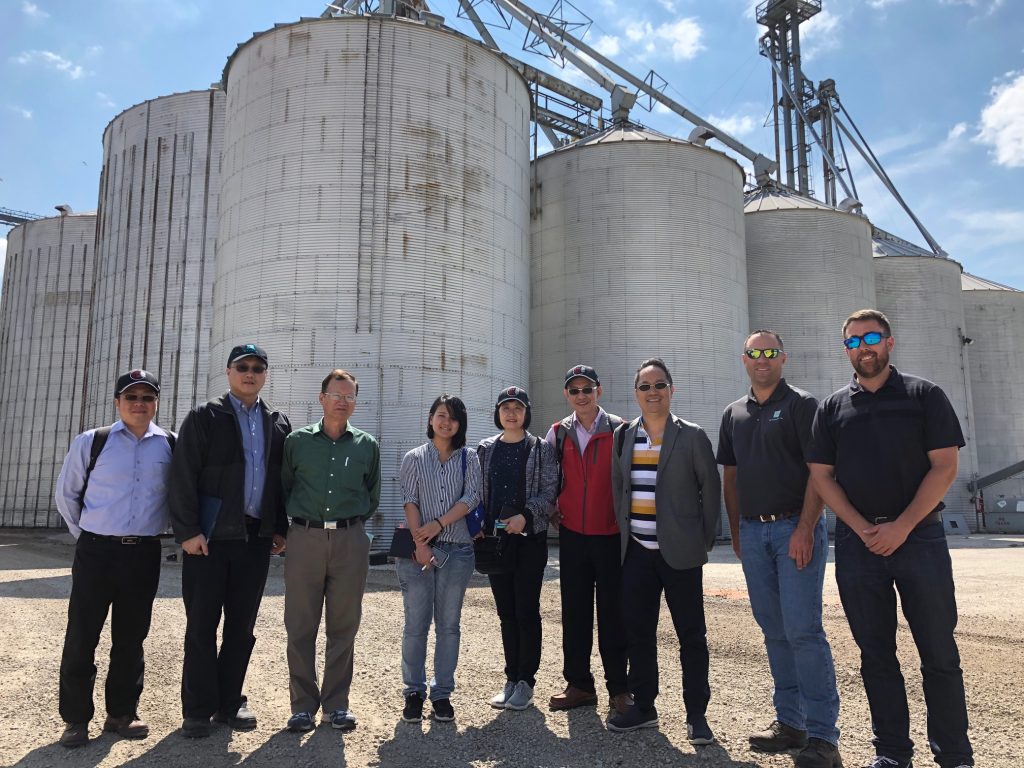
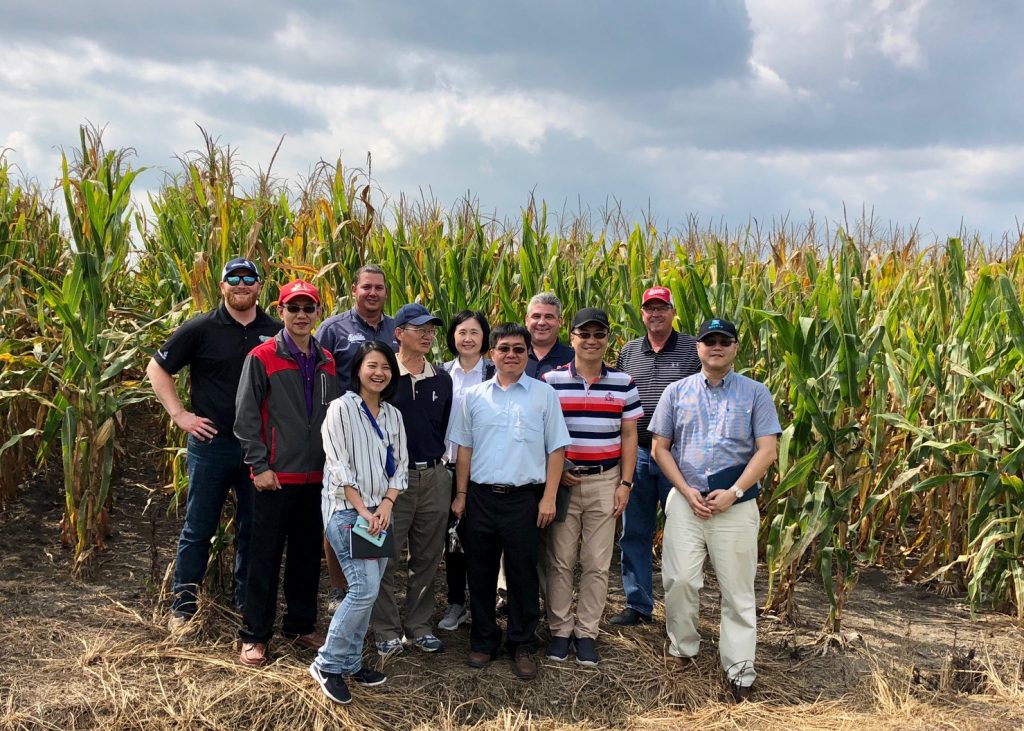
The team of feed millers and end-users saw the U.S. corn crop firsthand, building confidence in the commitment to quality of U.S. corn from seed to port.
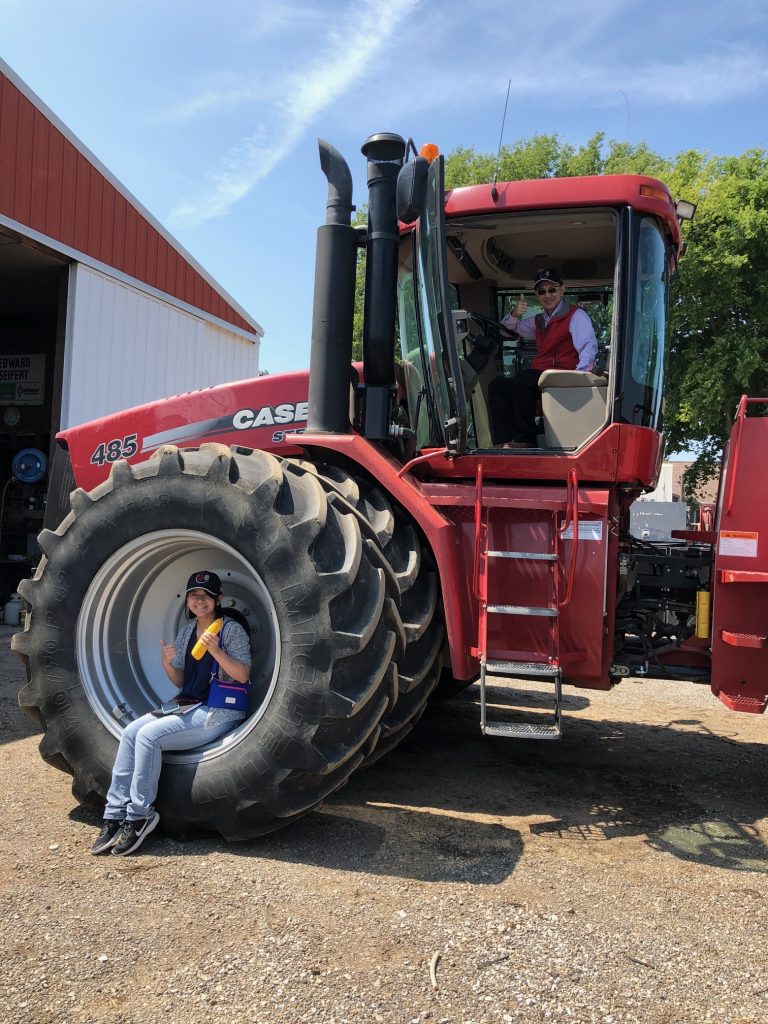
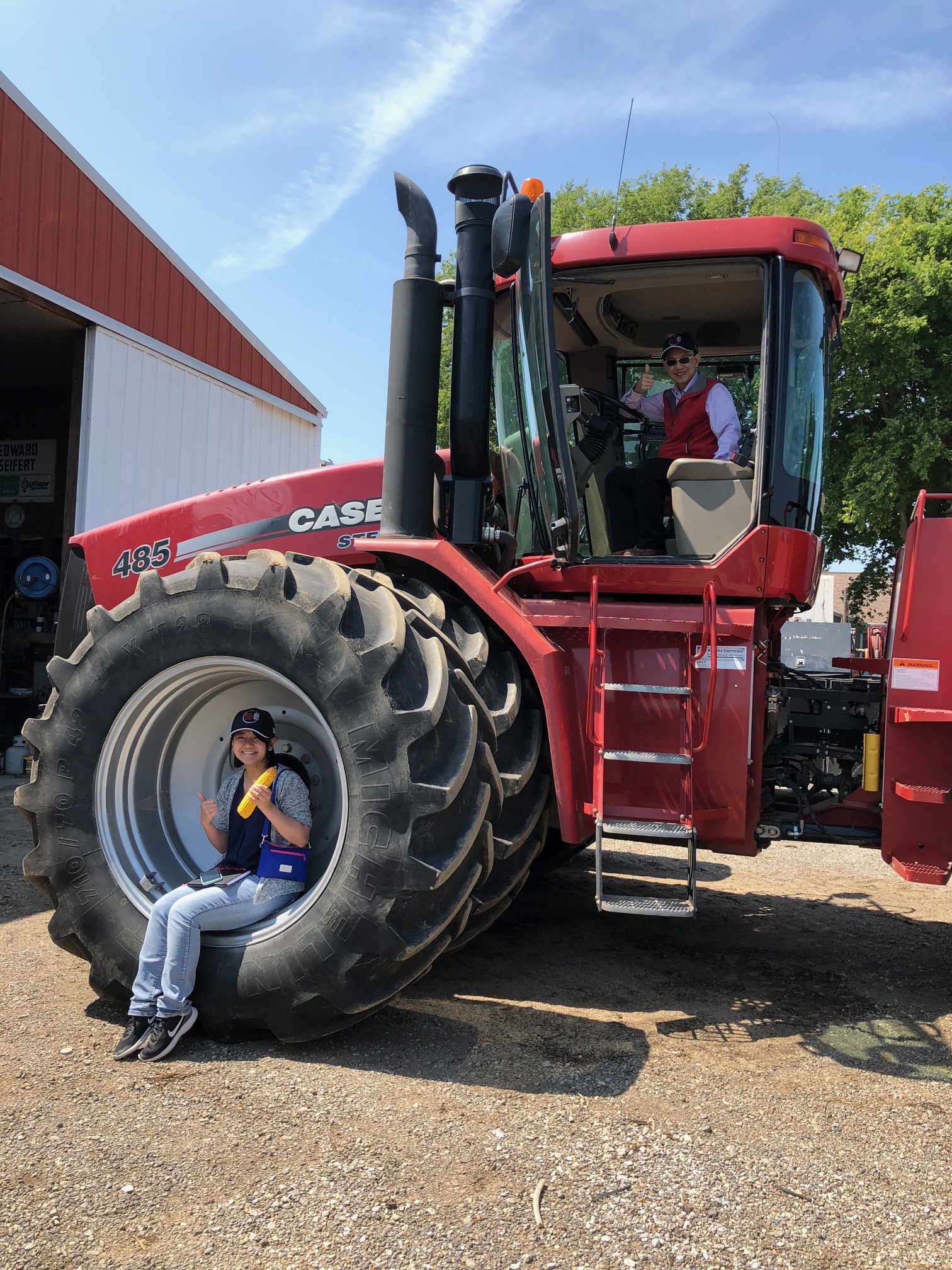
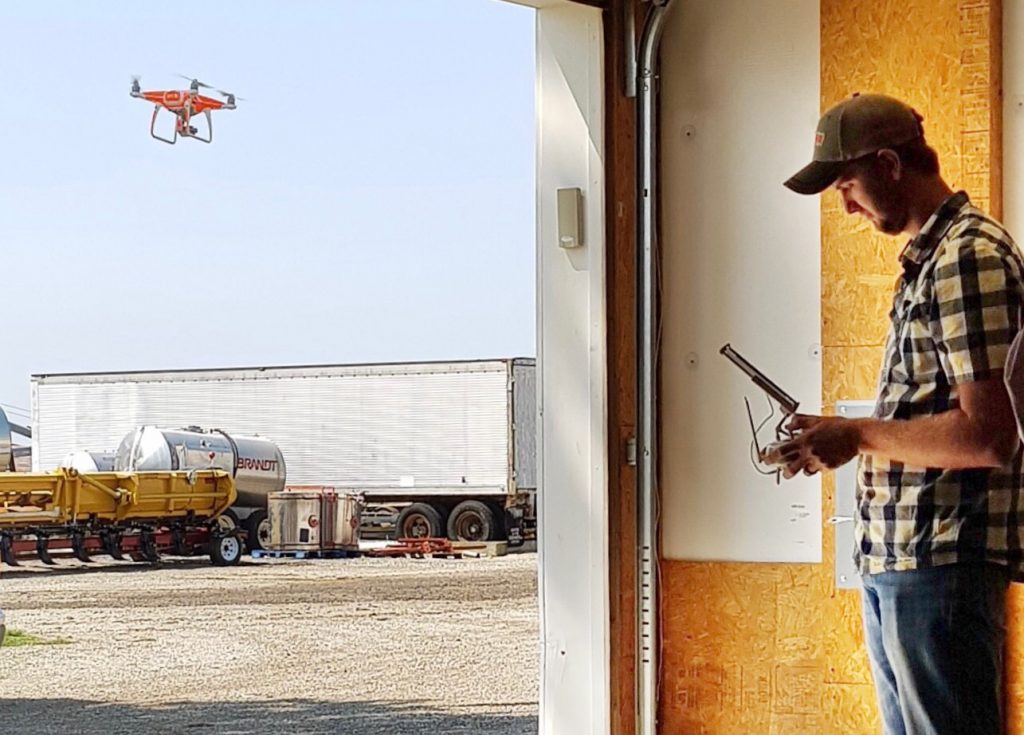
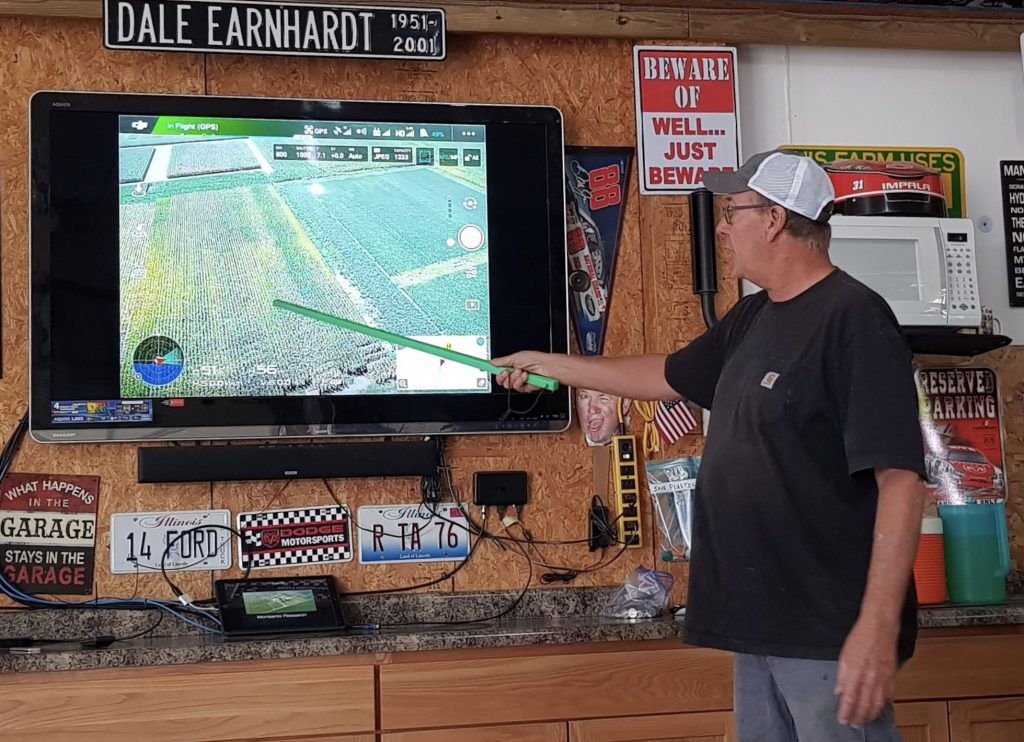
The Taiwan team learned how U.S. farmers utilize agricultural equipment and technology to efficiently manage their operations.
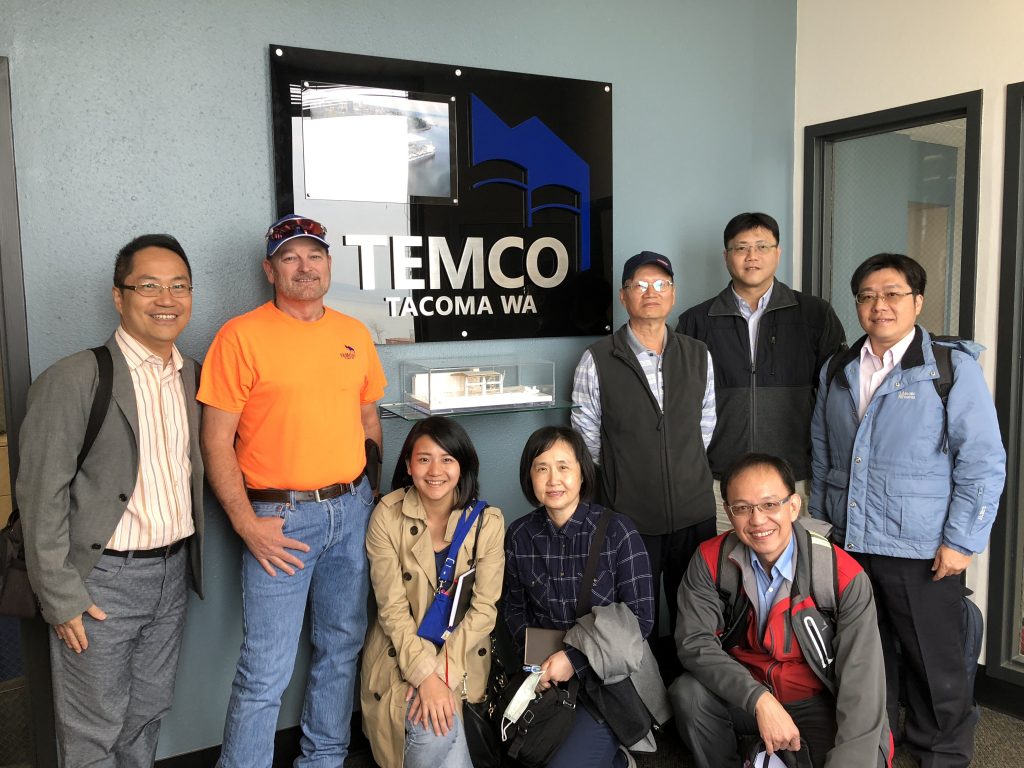
Seeing the U.S. corn crop and talking directly with farmers, exporters and other key players in the corn value chain provides unmatched market information for the buyers and end-users of U.S. coarse grains and co-products who take part in U.S. Grains Council (USGC) trade teams each year. Key members of major feed millers and end-users from Taiwan learned this lesson in August during a recent visit to Missouri, Illinois and Washington state. To follow other activities like this trip, check out the Council’s Flickr or Instagram accounts.
“This very comprehensive trip provided a better understanding of the whole supply chain from seed planting to corn harvest to transportation via truck, country elevator, rail, transloader, storage and bulk vessel,” said USGC Taiwan Director Michael Lu, who accompanied the team, his first since joining the Council. “Facing competition from other suppliers, activities like this team assure customers of the quality and reliability of U.S. coarse grains and the comparative advantages of U.S. origin.”
The Council has maintained an office in Taiwan since 1973, helping the market grow to the fifth largest for U.S. corn in the 2016/2017 marketing year, with purchases of nearly three million metric tons (118 million bushels) valued at $511 million.
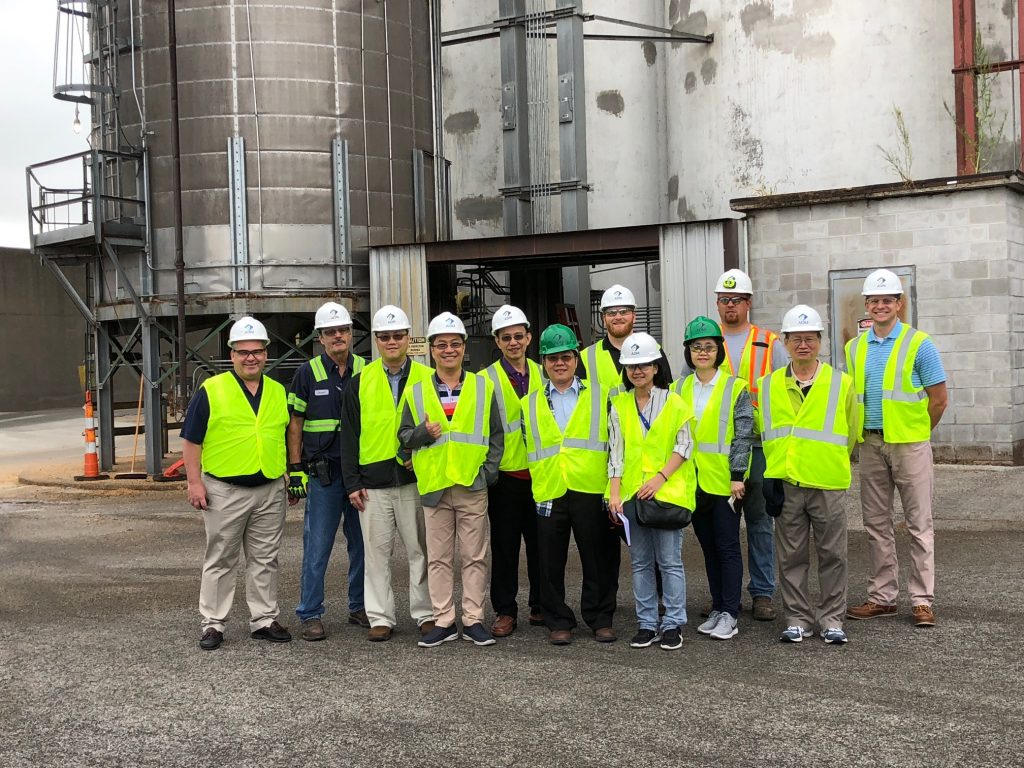
To strengthen that trade relationship, this team visited corn fields, grain inspection centers, grain elevators, port facilities, life science companies and ethanol plants as an educational effort focused on the quality and capabilities of U.S. agriculture as a supplier to Taiwan.
Follow along with this trade team in the photos below.
The August trade team was a first for Michael Lu, who joined the Council earlier in the month as the new Taiwan director.The Taiwan customers on the team first learned how newer breeding methods and biotechnology are enabling U.S. farmers to maintain both a stable supply of corn and good quality.Visiting family farming operations makes for an unforgettable journey through the U.S. corn value chain.The increase in on-farm storage impressed the Taiwan team, a further demonstration of the efficiency and innovation of U.S. farmers.In addition to in-field practices, the team witnessed how U.S. farmers are using cutting-edge technology like drones to continuously monitor and evaluate the needs of their crops.
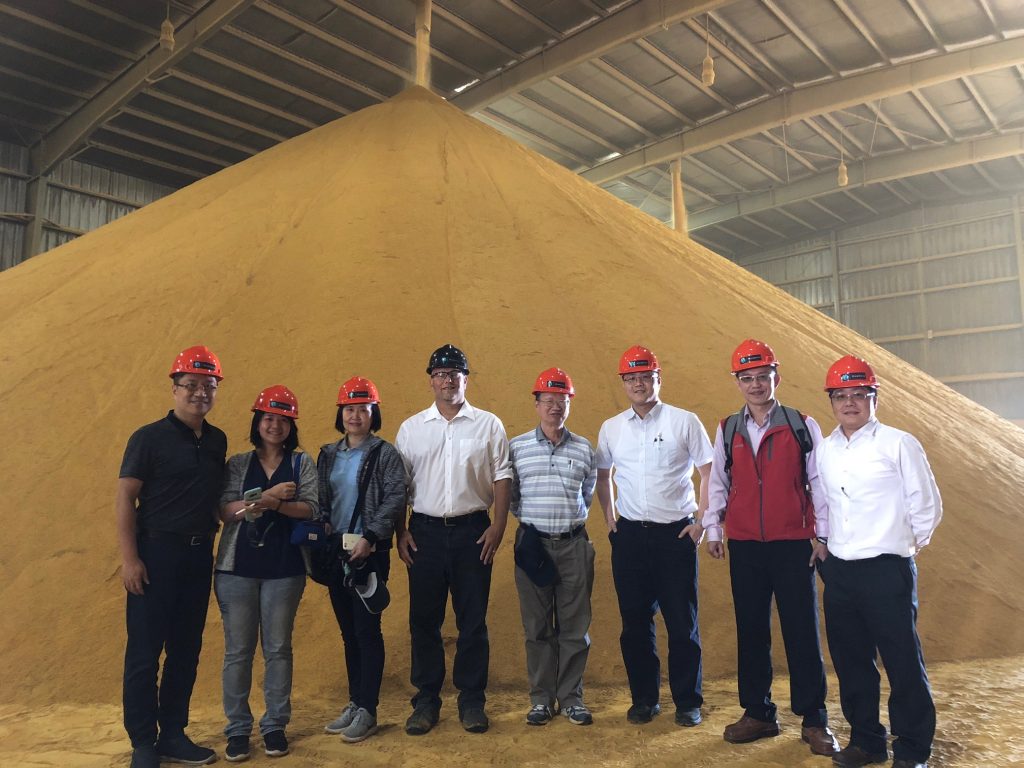
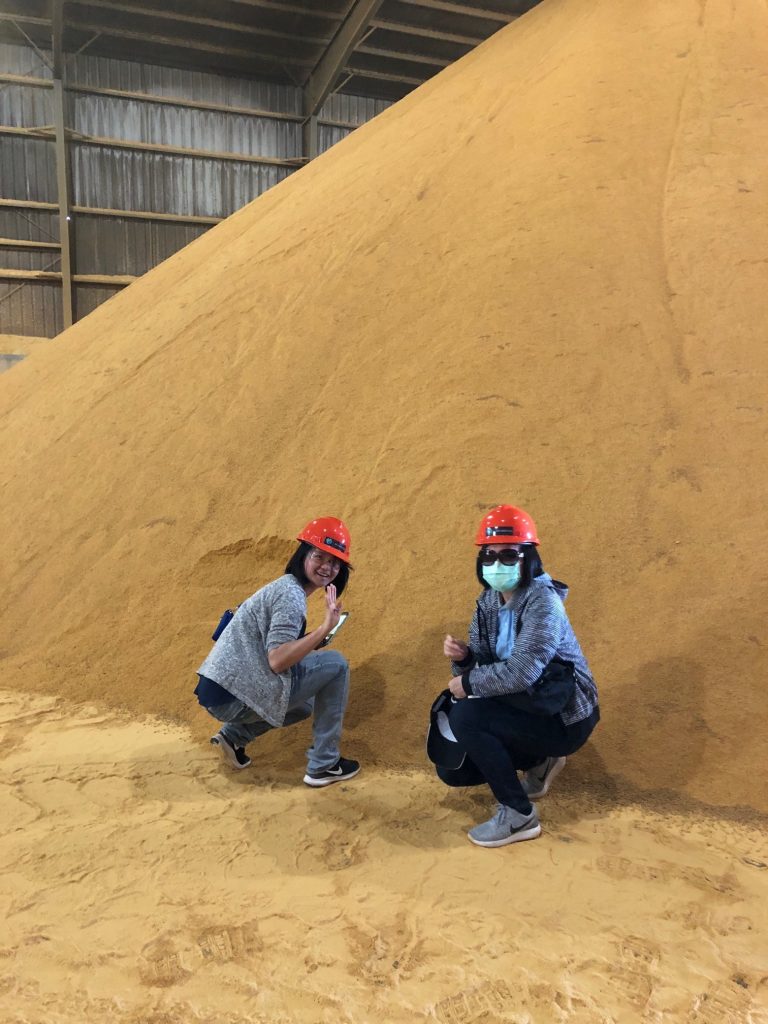
From the farm, the Taiwan team followed corn’s path through the U.S. grain value chain – starting with the grain elevator system.The team learned how modern ethanol plants have increased capacity and production. Taiwan does not yet import ethanol, but the country does import ethanol’s co-product, distiller’s dried grains with solubles (DDGS).Almost all the large feed mills in Taiwan use DDGS, but at low inclusion rates.Evaluating DDGS at the source builds confidence in U.S. DDGS quality, providing a foundation for the Council to encourage feed millers and end-users to increase inclusion rates and, in turn, overall demand for the co-product.Whether in the form of raw corn, DDGS or ethanol, the quality and capability of U.S. export channels are crucially important for Taiwanese customers to understand so they make the most efficient purchases of grains products.The team will take their knowledge of the 2018 U.S. corn crop home with them to Taiwan, reliable and timely market information the Council will supplement through reports like the Corn Harvest Quality Report and the Corn Export Quality Report later this year.