
As Global Ethanol Summit 2025 (GES) concluded, the U.S. Grains & BioProducts Council (USGBC) sent nine post-conference delegations to corn-growing and ethanol-producing states to view the U.S. ethanol value chain.
GES offered three pre-conference trade teams and nine post-conference teams with 138 total delegates from 28 countries and visiting 12 states. Trade teams are critical to the U.S. Grains & BioProducts Council’s (USGBC’s) mission of developing markets, enabling trade and improving lives. Attendees witness a significant segment of the U.S. value chain within a few packed days.
Emma Dostal, USGBC communications coordinator, traveled on one of the post-conference teams comprised of 20 researchers, government officials and industry stakeholders from Mexico as they visited the ethanol value chain in Wisconsin.
USGBC hosted this team in partnership with the Wisconsin Corn Growers Association. Brenda Damrow Gudex, executive director of the Wisconsin Corn Growers Association and Wisconsin Corn Promotion Board and USGBC Mexico office ethanol consultants, Galo Galeana and Christan Santamaria traveled with the team throughout the week.
“The importance of the visit to the United States by the Mexican delegation, comprised of representatives from various sectors, lies in the fact that the Mexican government seeks to create a new agro-industry based on ethanol production,” Galeana said. “This industry can boost development in the poorest regions, creating direct and indirect jobs throughout the value chain.”
“The inclusion of bioethanol guarantees a just and inclusive energy transition, key pillars of the current administration, which prioritizes both environmental sustainability and socioeconomic development.”
The trade team began Thursday with a visit to a Kwik Trip retail store to meet with Kristi Moore, an ethanol consultant with USGBC-member, Growth Energy, where she discussed E10 and E15 policies in the U.S. and ethanol processing. Moore provided details on how ethanol is distributed in the U.S. and how gas stations like Kwik Trip support higher ethanol blend usage.
The delegation continued on to Didion Bioscience, an ethanol and corn milling company, where attendees spoke with CEO Riley Didion and Grain Manager Garry Gard before touring the ethanol and corn milling plants. Wisconsin corn farmer and Wisconsin Corn Promotion Board director Cal Dalton also attended the meeting and tour to share his experience as a corn grower and seller to ethanol plants.
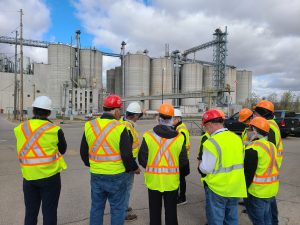
Participants saw the entirety of both processes and how Didion is a nearly zero-waste plant – using the whole corn kernel in its milling and ethanol production.
“USGBC’s collaborative spirit helps leverage the potential for cooperation in promoting bioethanol in Mexico,” Galeana said. “The provision of technical and scientific data on this trade team helps policymakers advance toward a technological pathway that enables rapid, affordable, inclusive and renewable energy transitions.”
Thursday concluded with a dinner including Wisconsin Corn Promotion Board members who shared information with the group about their involvement with USGBC and their growing practices.
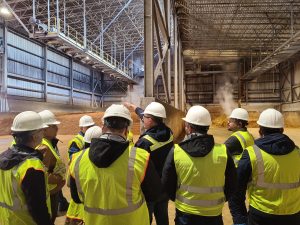
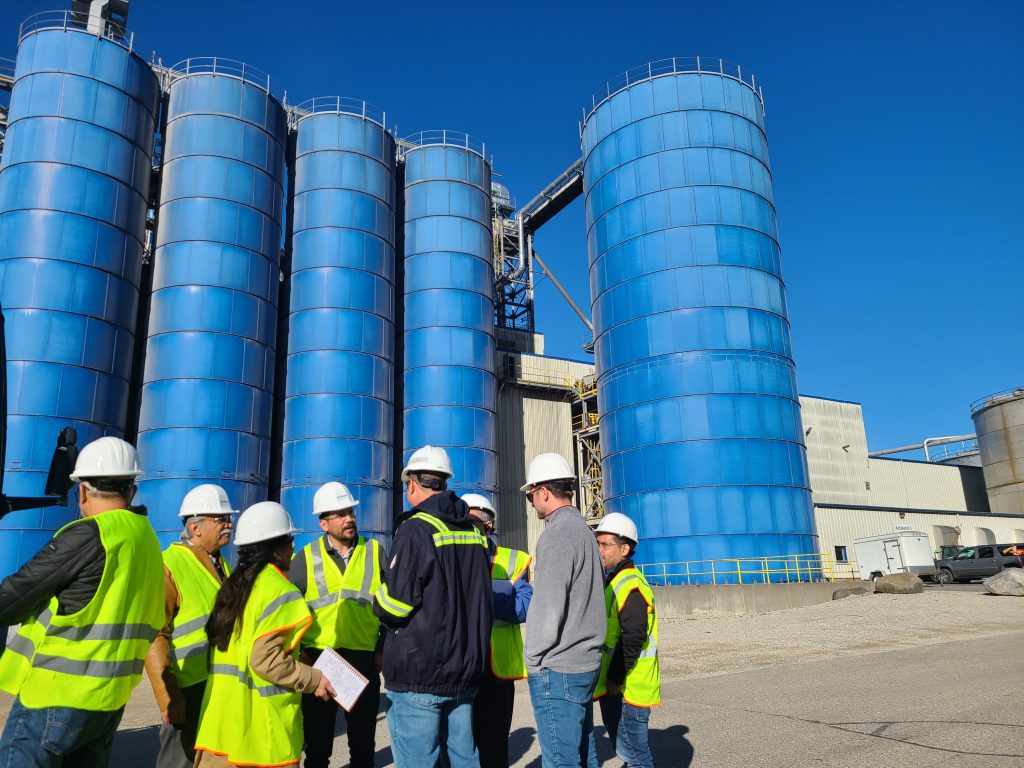
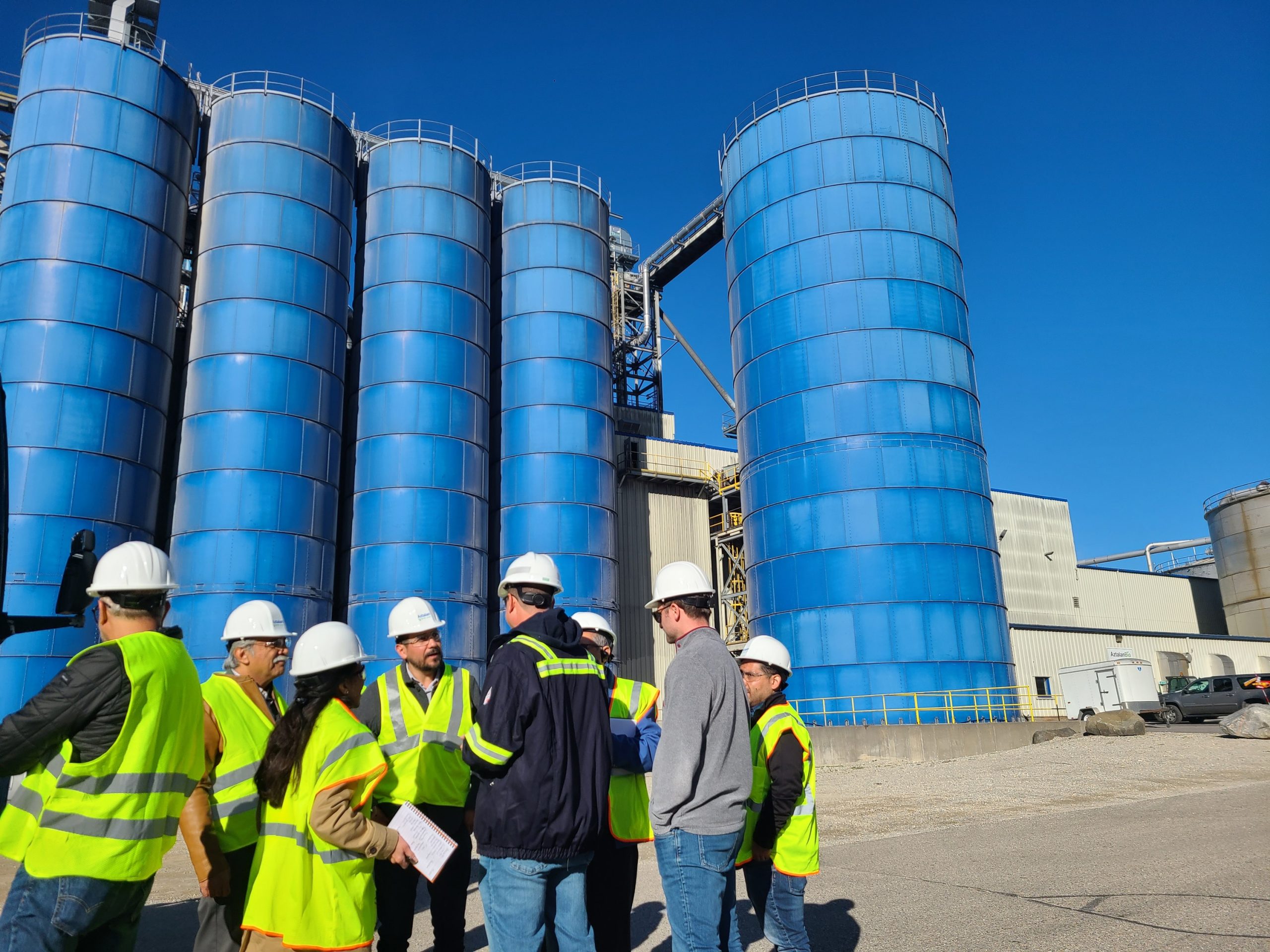
Friday began with a visit to Azatlan Bio, the largest ethanol production facility in Wisconsin. The visit included a facility tour and a presentation on the plants ethanol and dried distiller’s grains with solubles (DDGS) production. Participants also saw the ethanol loading process into tank trucks that load ethanol at the plant and take it to distribution centers and gas stations.
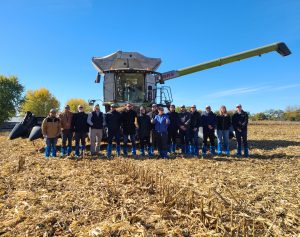
Delegates then travelled to Casey Kelleher’s, president of the Wisconsin Corn Promotion Board and member of USGBC’s Asia A-team, farm in Whitewater, WI where the team watched the corn harvest process and learned more about corn storage.
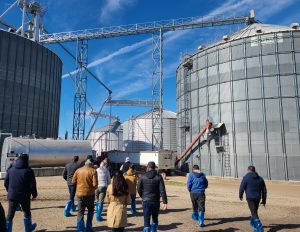
The day ended with a visit to a grain elevator and rail shipping facility near Avalon managed by USGBC-member DeLong Co. The facility receives 200,000 bushels (5,080 MT) of corn daily during harvest season, and participants asked questions about rail and truck shipping logistics.
“Seeing firsthand how Wisconsin integrates ethanol production from the pump to the plant and all the way back to the farm makes a powerful impression on global decision-makers,” Damrow Gudex said.
“This visit didn’t just showcase our capabilities—it built meaningful connections and opened the door to greater ethanol adoption in Mexico and new opportunities for Wisconsin corn growers.”
Trade teams offer the opportunity for attendees to visit each link in the value chain, inspect the quality of U.S. agricultural products, connect with farmers, shippers and traders while also building new business relationships. Delegates take this information and apply it to future business practices upon return to their countries. Trade teams strengthen ties between U.S. agriculture and the global market – building long-lasting relationships that help the Council achieve its mission of developing markets, enabling trade and improving lives.
Learn more about the Council’s work in Mexico here.