
As part of the U.S. Grains & BioProducts Council’s (USGBC’s) continuing efforts to develop new markets for the commodities it represents, staff based in its Washington, D.C. headquarters, regional office for Europe, the Middle East and Africa and USGBC member CHS traveled across Spain and Portugal for meetings with key stakeholders in the sorghum sector.
USGBC Deputy Regional Director for Europe and the Middle East Ana Maria Ballesteros, USGBC Manager of Global Trade Jace Hefner and CHS Director and USGBC Agribusiness Sector Director Sean Broderick made up the team.
“Finding homes for U.S. sorghum is one of the Council’s top priorities, and while Spain is already an importer of it, there is definitely room to grow,” Ballesteros said.
“End-users remain very interested in U.S. sorghum as an enhancement to feed formulas and our meetings here have certainly moved us in the right direction to expand the market.”
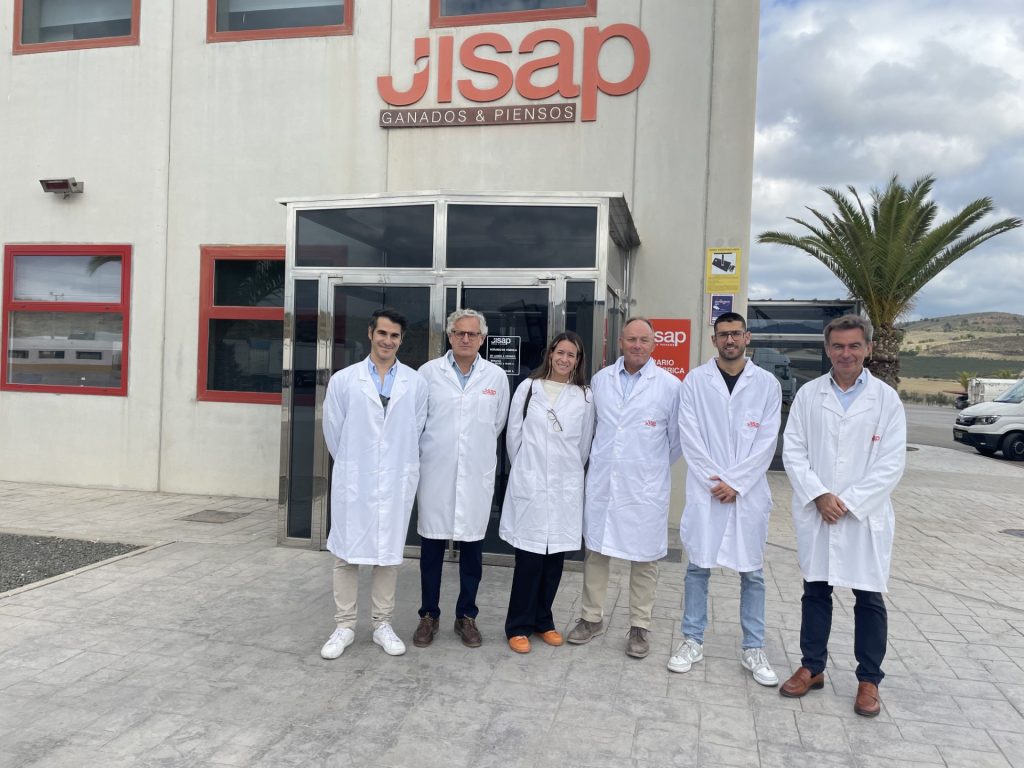
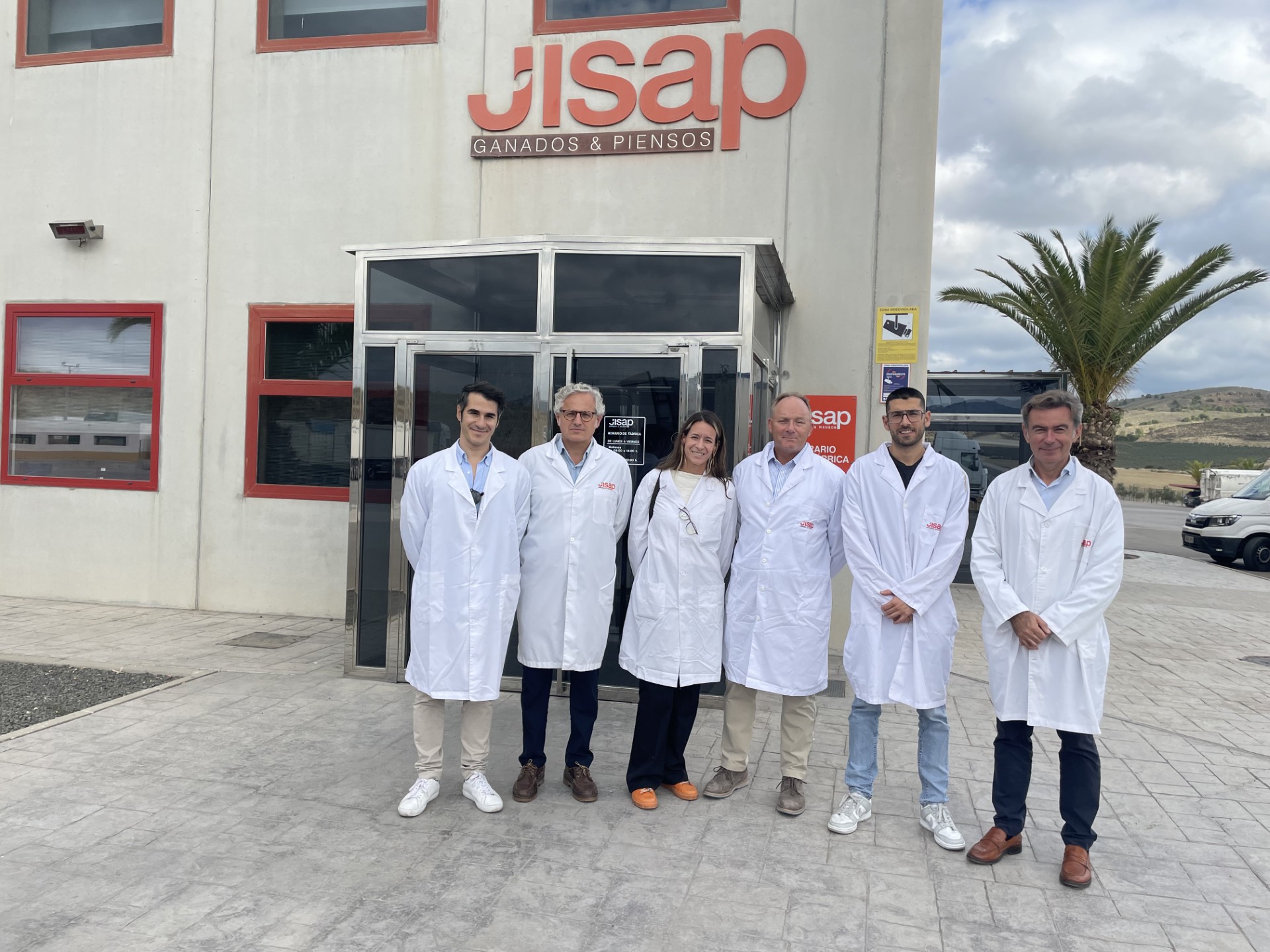
Ballesteros and Broderick met with a feed producer’s association, commodity traders in Madrid and Murcia and one of the largest end-users in Barcelona. The delegation also met with the country’s top importers of U.S. sorghum to discuss their outlook on market demand and possibilities for greater purchases in the near future.
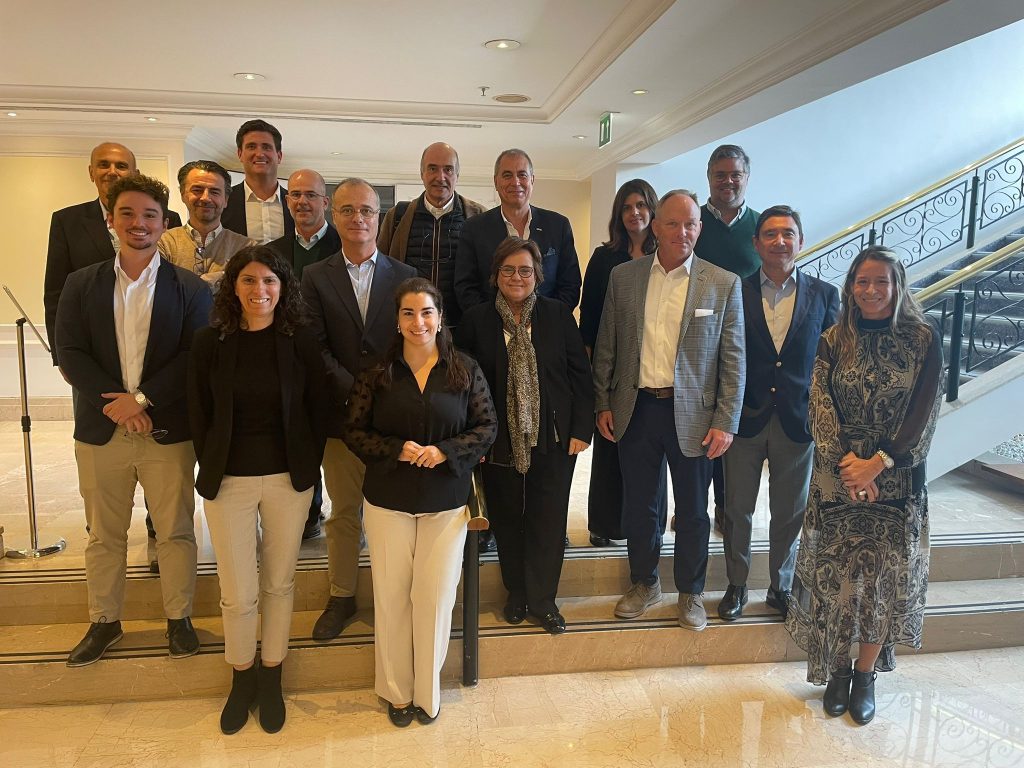
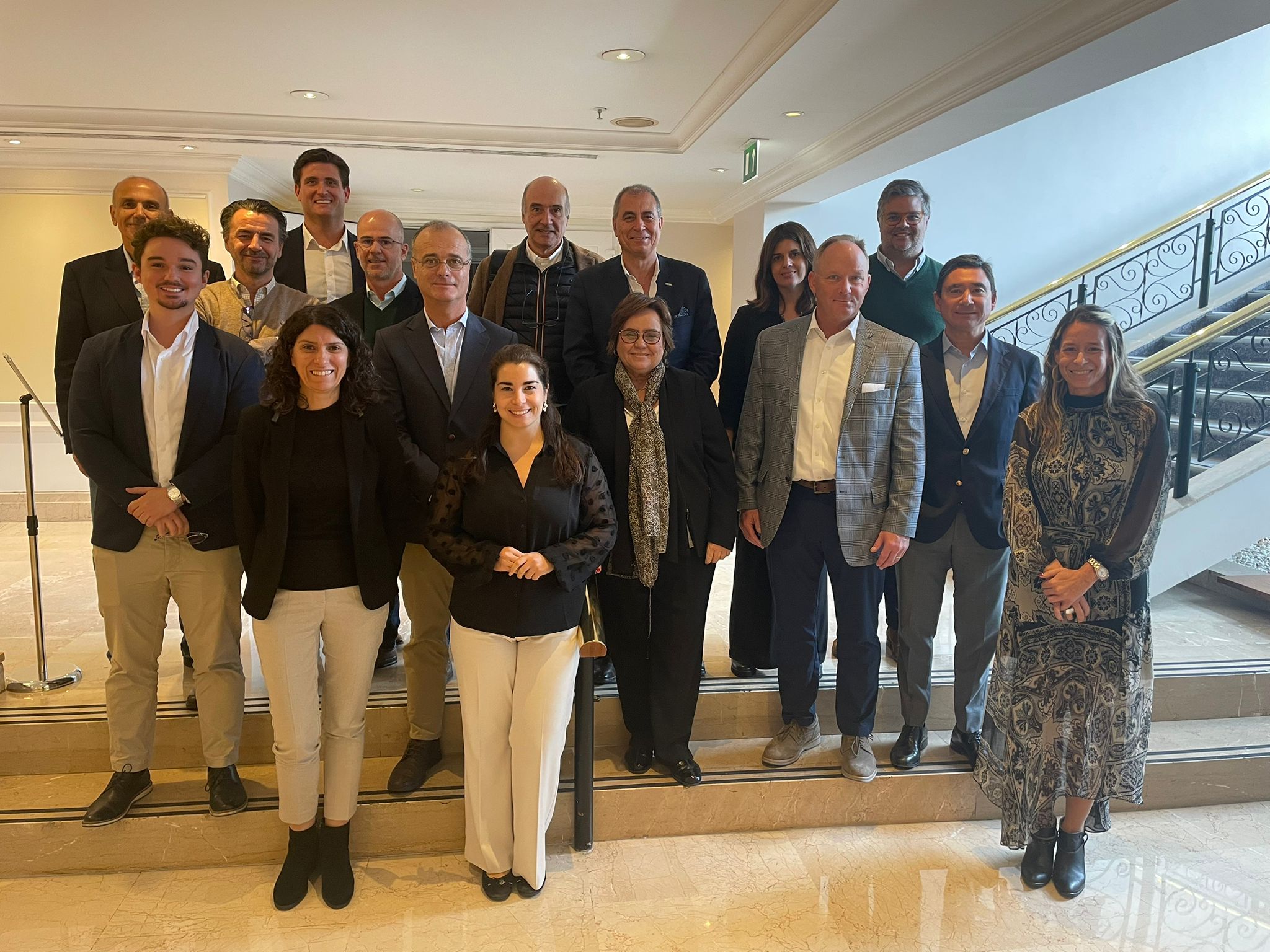
In Lisbon, the Council organized a day-long conference with members of the Portuguese Association of Compound Feed Manufacturers (IACA), where the Council’s team and invited experts discussed the applications of sorghum in animal feed and the demand and logistics in place in Portugal for acquiring it.
“U.S. farmers produce top-quality sorghum that has many advantages over competitors, so focusing on nutritional education and logistics lowers potential barriers for importers and end-users that will further drive demand for U.S. sorghum,” Hefner said.
“Even though the Iberian Peninsula is a mature market for U.S. sorghum, there are still misconceptions to clear up and strategies to maximize inclusion rates in the region.”
The week-long mission provided ideas for future programming in the peninsula that will result in higher interest in the use of U.S. sorghum and other commodities represented by the Council.
Learn more about the Council’s work in sorghum here.