
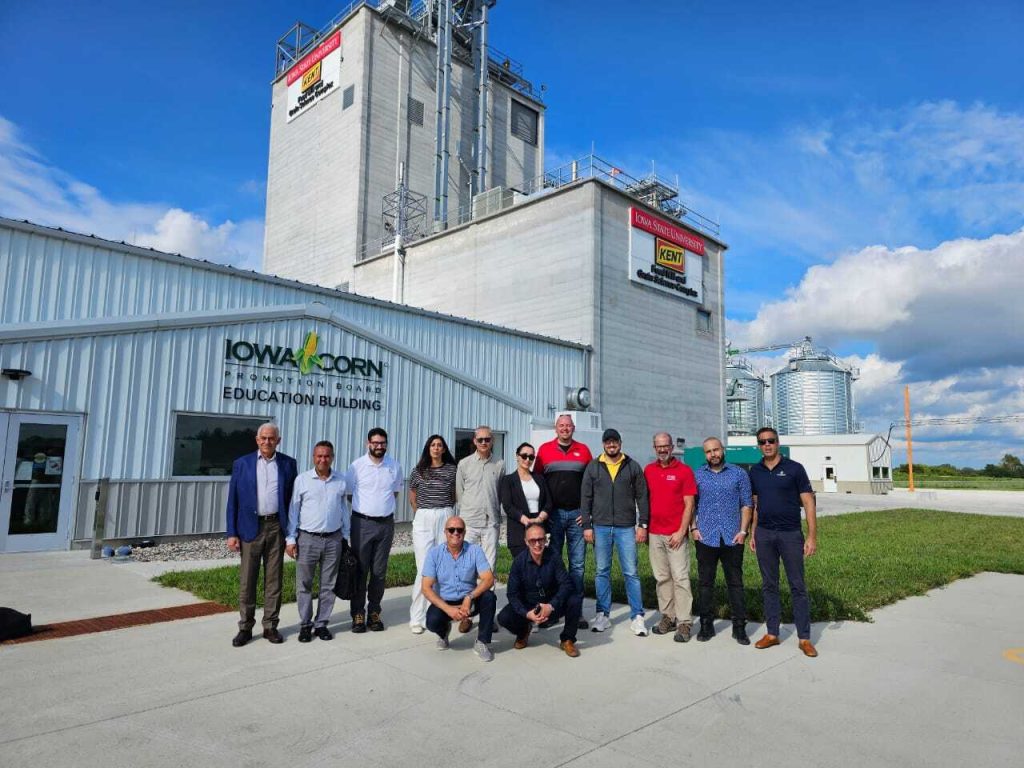
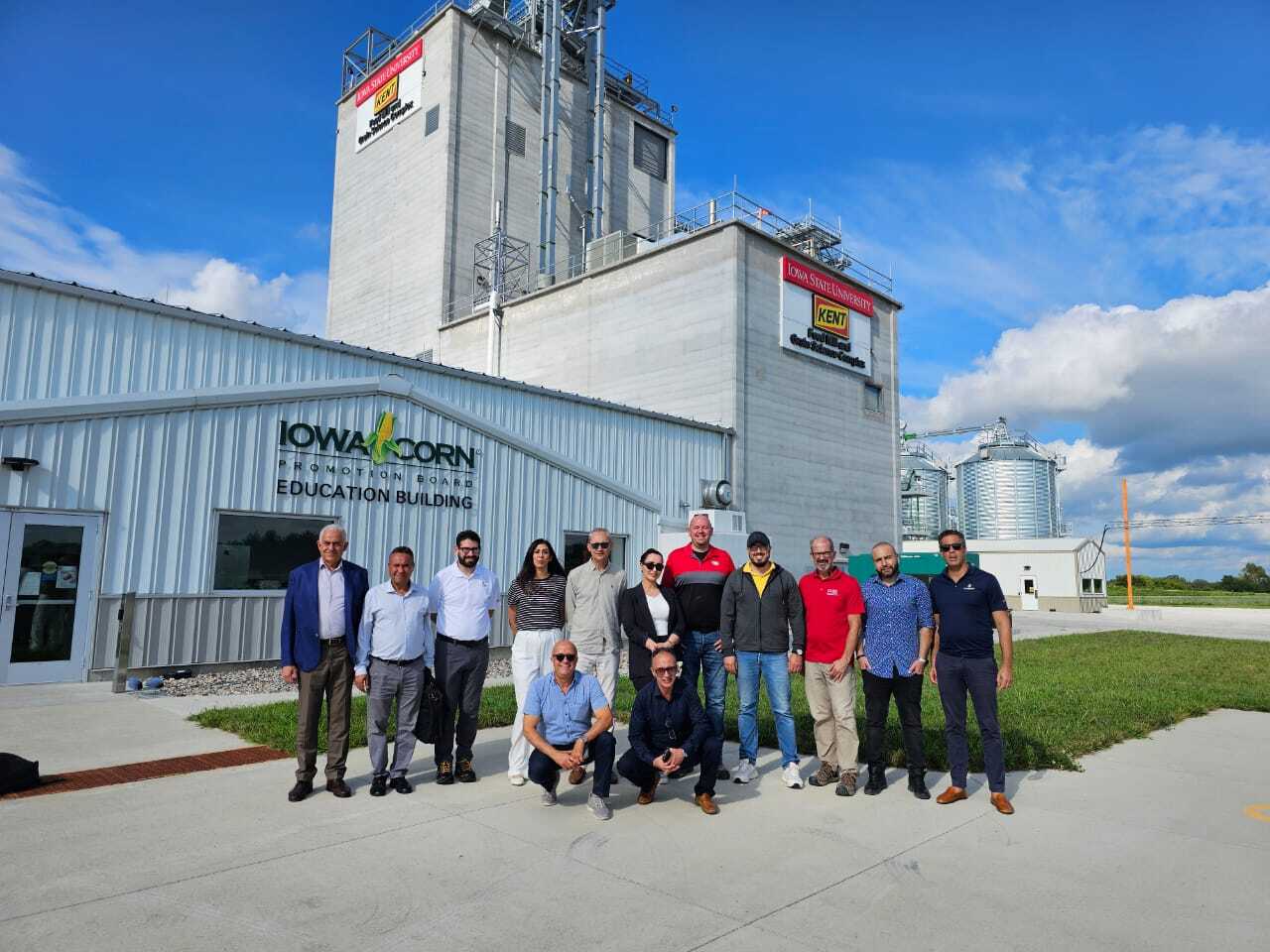
The U.S. Grains & BioProducts Council (USGBC) recently welcomed two teams, based in Africa and Latin America (LTA), to Iowa State University (ISU) for simultaneous feed manufacturing and milling training courses aimed at improving operational efficiency in participants’ domestic industries.
“A key component of the Council’s feed grain demand growth in Africa is establishing local leaders in various countries who can instruct their peers and build capacity from the ground up,” said Mohamed Salah Bouthour, USGBC deputy regional director for Africa.
“By inviting feed industry stakeholders to this training course, we can organically build the African feed and livestock sector while establishing a loyalty to U.S. agricultural products.”
The LTA team engaged in a two-week, specialized curriculum centered around feed milling quality and storage, with the goal of setting up commercial trials highlighting the feed milling advantages of using U.S. corn once the participants returned home.
Key topics covered by ISU professors and research directors included maintaining grain quality, the nutritional value of U.S. corn and corn co-products for different species of animals and fish as well as the principals of feed pelleting.
In addition to the classroom-style lectures, attendees also participated in hands-on exercises to apply knowledge and techniques presented by ISU experts. These included milling and particle size analyses, batching and mixing uniformity, pellet durability and hardness testing, safety, biosecurity and more.
The groups toured important nearby U.S. corn export and utilization supply chain participants such as an ethanol plant and farms to observe how U.S. corn is grown and applied as feed, biofuels or co-products including distiller’s dried grains with solubles (DDGS).
“The overall program was focused on implementing best practices in commercial feed milling that encourage the use of U.S. corn and co-products in the international feed industry,” said Alexander Grabois, USGBC manager of global strategies and trade.
“By highlighting the efficiency advantages of U.S. corn, we can help international customers make their operations more successful and in turn expand their need for quality feed grains and their co-products.”
Learn more about the Council’s work in Iowa here.